


We start this Deep Dive series in Chile 🇨🇱
Follow along the 8-part series here.
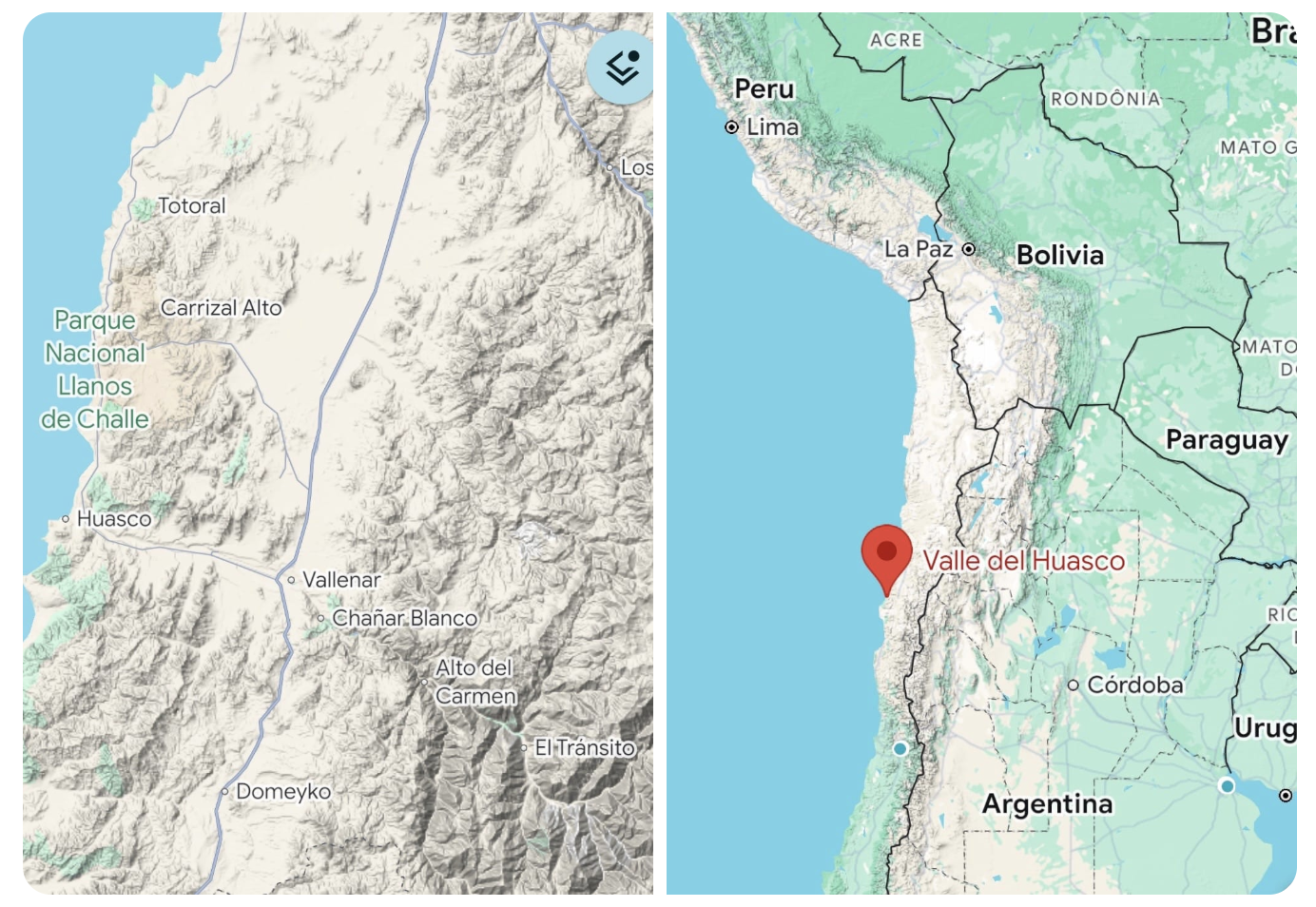
Our Chile Deep Dive series continues today in the fertile Huasco Valley of the southern Atacama Region.
(Catch up on Part 4 here.)
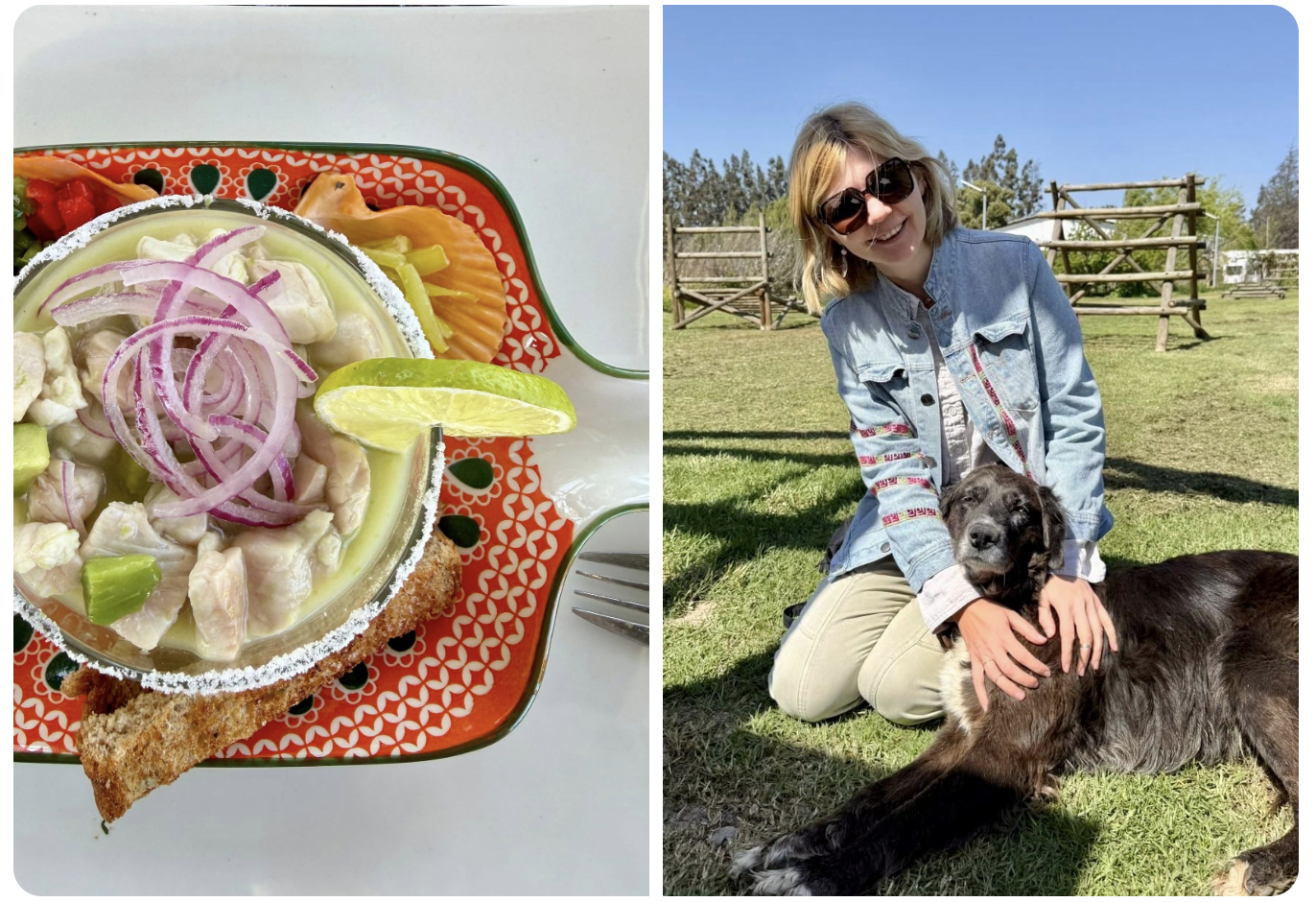
Some of the best meals of my life came from this valley,
with honest flavors that reflect the desert's terroir.
My pre-hike fuel came from chuchoca – a type of polenta with pickled onions and Chilean longaniza sausage – and savory sopaipa, a dangerously good doughnut-like pastry.
At Olivos Centenarios, an agro-tourism project where you can step inside Chile's oldest olive groves, I couldn't stop munching on the best olives of my life (please forgive me, my Jordanian friends).
The softest, melt-in-your-mouth sevillano olives are fermented with only water and salt, and in the valley, it's an afternoon tea-time snack alongside bread and black tea.
I loaded up on vitamin C and potassium from the copao: the fruit of a wild cactus plant that appears only when the desert blooms.
On the coast, I tried Chilean seaweeds like luche and cochayuyo and shucked my own scallops I'd picked up from the sea moments earlier.
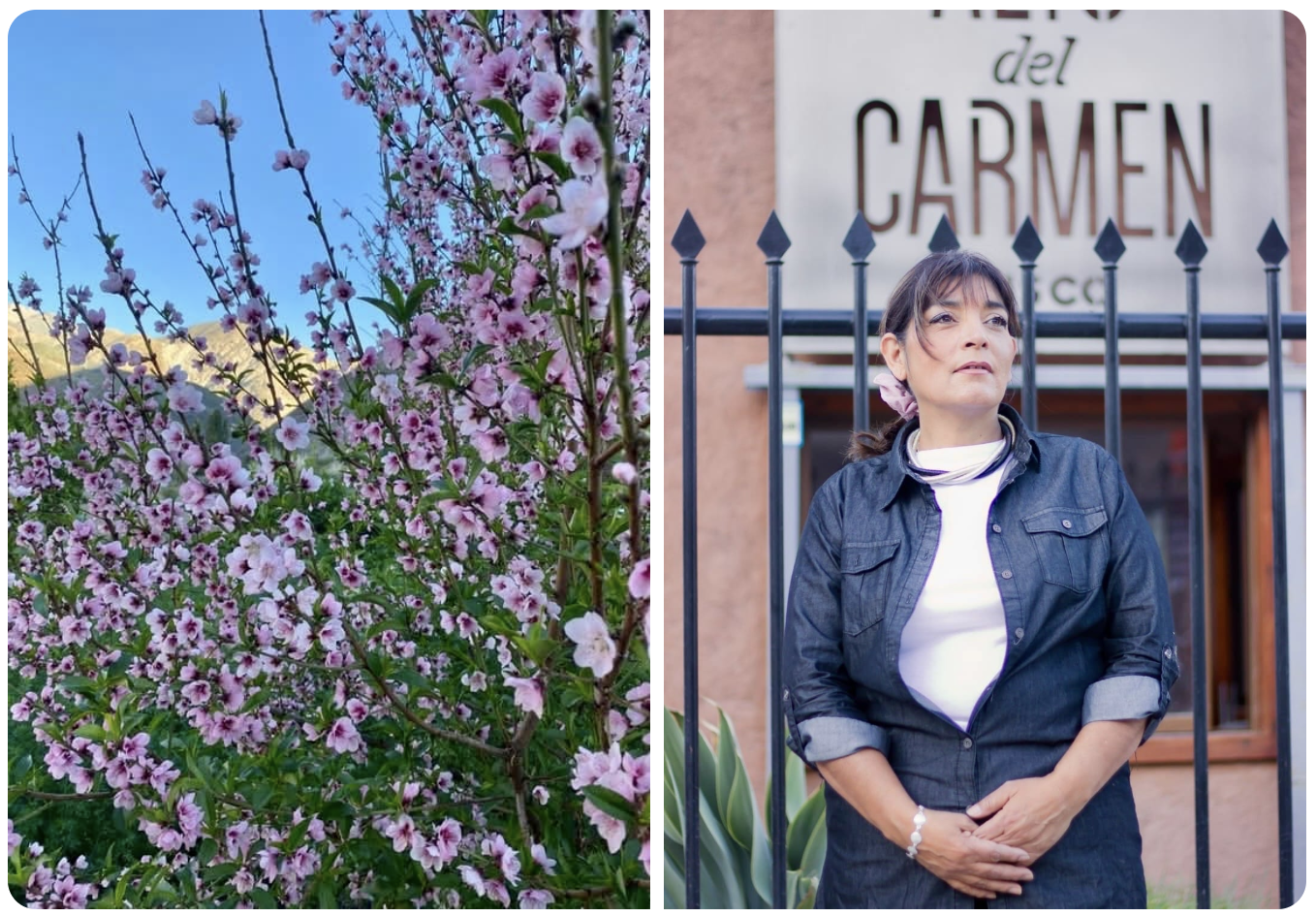
During one of these lingering meals, I met Sandra López, a Diaguita entrepreneur who runs Las Esencias del Campo, a family business with cabins in the Huasco Valley.
Sandra organized our tasting lunch at Viña Kunza, a local winery that pays homage to the now-extinct Indigenous language of Kunza with its wine.
Sandra also works with local communities as a passionate champion of Diaguita Indigenous tourism in Atacama.
Here is Sandra talking about her work.
(This interview has been translated from Spanish by Google Translate and lightly edited for clarity.)
"Becoming a mother drove me to start this work.
I needed to secure opportunities for my children so that, someday, they could have a degree and a profession.
When I decided to start a family, I never imagined that I could achieve anything beyond being a homemaker.
Still, drawing upon that purpose, I began working with what I had: a place in the countryside.
It was an inhospitable setting, far removed from anything resembling the project I have today.
Yet, I realized that sometimes the places that seem the least attractive to our eyes (precisely because they are so wild and rugged) are the very places visitors seek out and value most.
I began to look at that plot of land anew.
I discovered that solitude, land, water, and plants provided the perfect setting to beautify this space where I could welcome guests and care for them.
It brings me great joy to welcome people, to look after them, and to please them. I love it when visitors get to know me and enjoy their stay.
When that doesn't happen, or when it goes unnoticed, I feel frustrated.
Sometimes I feel like a singer who thrives on applause, beyond the paycheck.
If an artist isn't applauded, they might get paid, but they won't go home happy. It’s the same for me.
When I feel that my visitors don't truly connect with what they see, feel, breathe, eat, taste, smell, and hear, I feel that the purpose hasn't been fulfilled.
Yet, I thank God, because I don't recall anyone ever saying, "I didn't feel anything in this place."
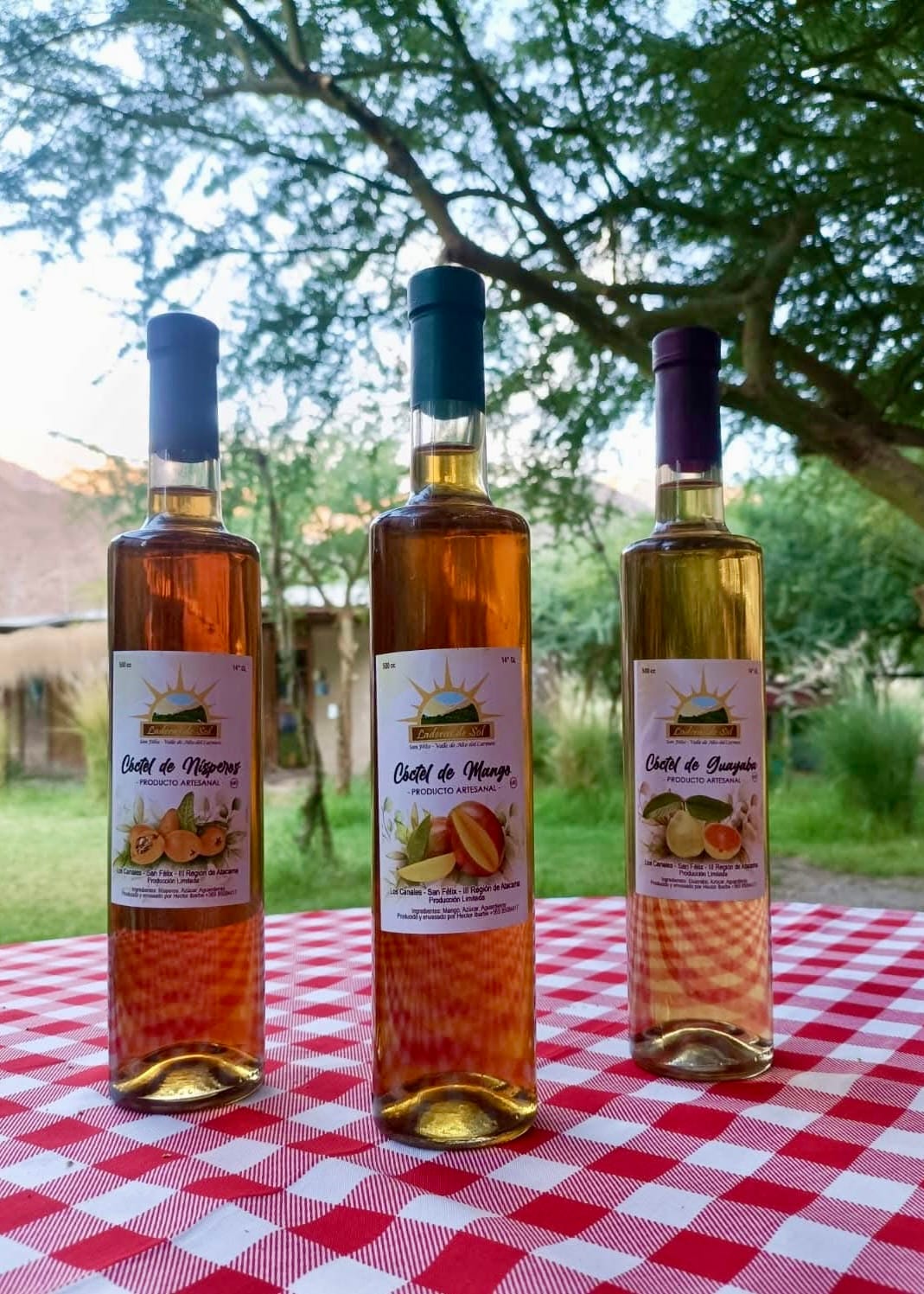
We opened a restaurant serving home-style cooking, the kind my mom taught me to make, my dad cooked on Sundays, and my grandmother made when I visited her.
People would travel all the way from Copiapó just to visit the restaurant.
We put up a hammock where they could take a quick nap before heading back, keep sipping wine, or just take things slow.
Later, we realized that once visitors arrived and ate, they didn't want to leave, so we started working on our cabins.
A major mudslide event in the area left me paralyzed for nearly two years; I couldn't work, and it was emotionally very hard to bounce back.
But I had to keep going. I still had two children heading to university. That’s when I started the lunch catering business.
I began traveling all over the region; people called me from everywhere. I catered events for 300-400 people with my food and culinary style.
I think it’s important to say this:
I never aspired to be a corporate tycoon or a "successful businesswoman" who’s so busy running from place to place that she barely gets to live in her own home.
I’ve always valued family highly.
Even when I was working at my most intense pace, it was for my children, though I did miss out on important family milestones and moments along the way.
My main goal now is simply spending more quality time with my family.
The Atacama Region, where I live, is a slice of heaven. I have the blessing of inhabiting this place; my entire family grew up here.
It's a tremendously generous region. Here, no one goes hungry; no one can claim to be destitute or living in utter poverty.
If you want the beach, you can reach it in 40 minutes.
If you want the mountains, they are just 45 minutes away.
If you need a city, we have one. Vallenar is small, perhaps, but fully equipped, with a river that flows right through it.
It’s clean, friendly, and a place where you can walk around with peace of mind.
It's a tremendously generous region.
Here, everyone knows everyone else; even if we move to a different province or commune, we remain part of the same community.
And when newcomers arrive, they are welcomed and embraced with great warmth.
I believe this makes our valley special.
There are regions where, upon your arrival, the local people can sometimes be quite distant or wary – but not here. You can leave your car unlocked, step out, let your child play freely, and move from one place to another without a worry.
We have salt flats, lagoons, the ocean, whales, penguins... an exquisite, beautiful biodiversity.
It has taken us some time to fully grasp that this is a place to be cherished, loved, and protected – a place that inspires a special sense of belonging.
Special thanks to our 60+ paid members who make Going Places possible.
As if that weren't enough, every so often, when God blesses us with rain, we witness a flowering desert.
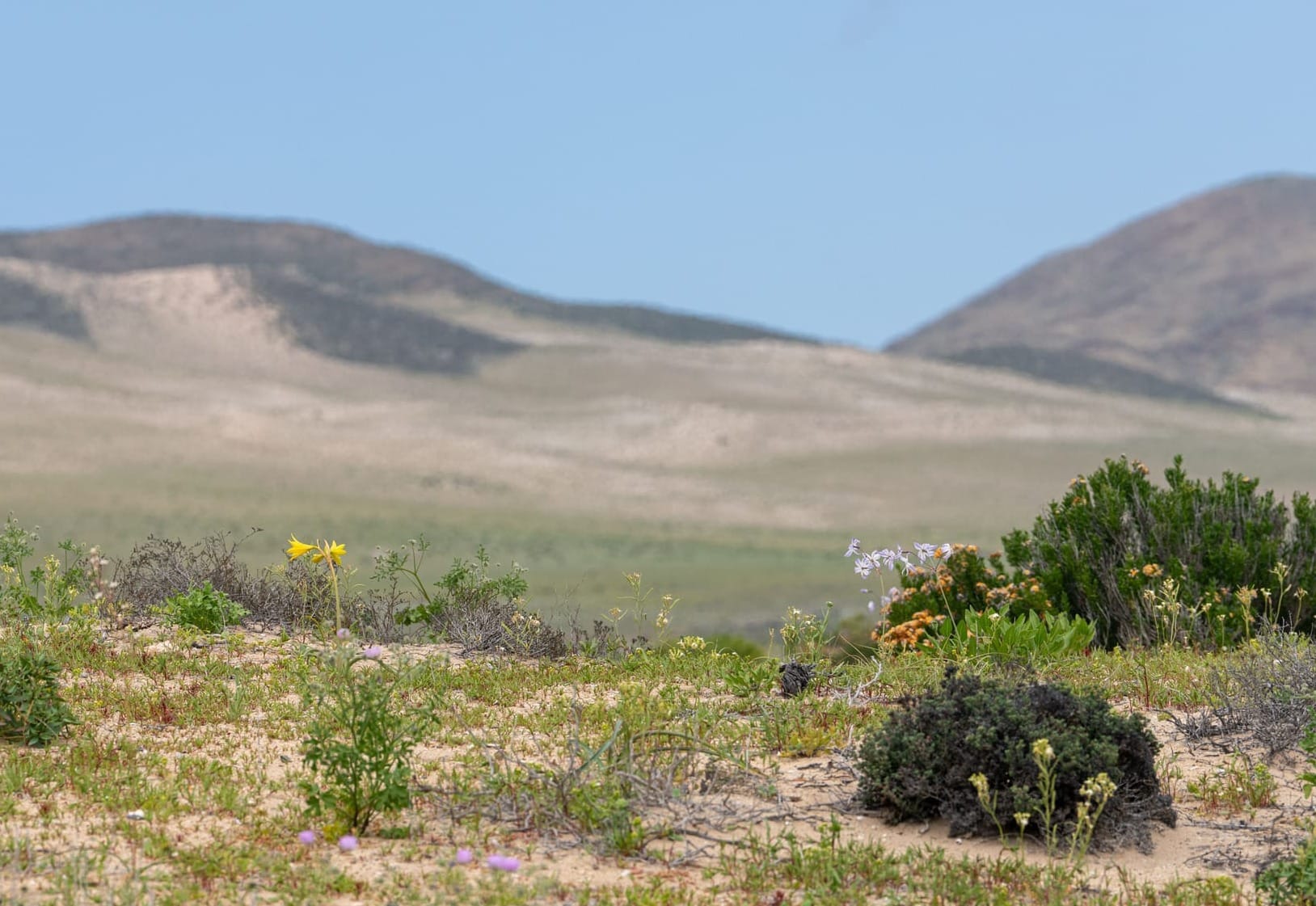
During that time, you can discover more than 3,000 varieties of flowers: mutant blooms that seem to shift and transform from one place to another.
One day you might see a carpet of white; then, with the very next rainfall, when the desert blooms again, you might find yourself surrounded by garra de leon, the rare red flower Indigenous to this land.
The fact that flowers can bloom in the most arid desert on Earth is an invitation to contemplate, to behold this spectacle.
Our region is still in an early stage of development, but it holds tremendous potential.
Two cultures coexist here.
It's the only place in Chile where a valley was shared peacefully between Spaniards and the Indigenous people – in this case, the Diaguitas.
There are two valleys in the Alto del Carmen commune, and each has its distinct identity.
You can tell them apart by surnames. In the Indigenous El Tránsito, surnames often end in "-ay."
For example, Campillay, Likitay, etc.
In El Carmen, you'll find names that reflect Spanish lineage, like Barroeta, Iriarte, or Mulet.
Customs differ, too.
El Tránsito is defined by traditions involving textiles, greda clay pottery, and the use of specific crops. There are places here where grain is still ground into flour and wheat is still prepared using traditional methods.
The Spanish valley, on the other hand, is characterized by its own heritage items like the production of pisco.
I sense some resistance to developing the valley from the community.
The commune moves at its own pace as generations pass without significant change or renewal.
Yet, perhaps that is the beautiful aspect of our commune:
Its people resist the cultural shift they might face if the valley is developed for tourism or, ultimately, mining.
No one knows which of the two might prevail. I fear the mining sector is more likely to win out.
While it's quick to ravage the land, it's also quick to generate money – and today, everyone believes money is what changes the world, when in reality, money is what is destroying it.
I fear the mining sector is more likely to win out.
Meanwhile… we continue working in tourism.
Alto del Carmen slumbers quietly, yet anyone who discovers it falls in love with it.
It’s a bountiful valley, offering exquisite fruit and wonderful early-season produce.
I have tasted fruits and vegetables from many other places, but here, the fruit is incredibly sweet because the sun transforms it. It ripens slowly, blooming early and harvested late, taking its natural time.
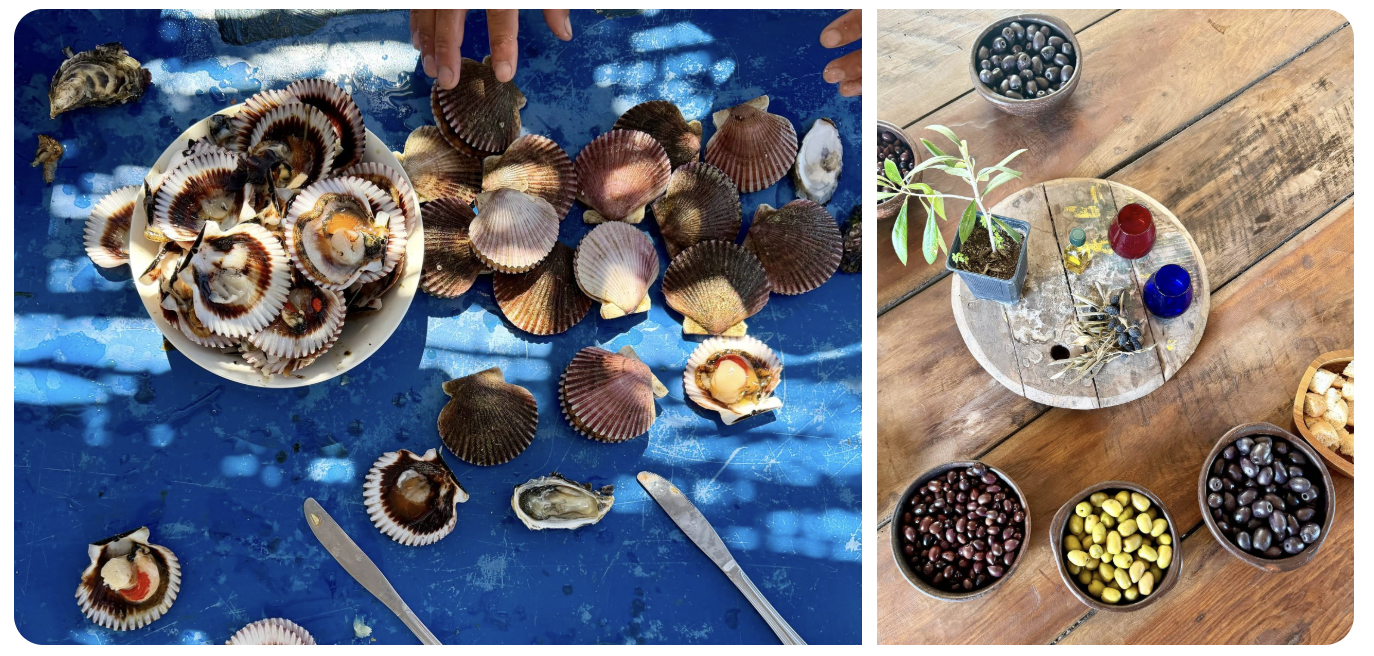
Visitors can walk along and pick fruit right off the trees as they go, because the valley's inhabitants aren't focused on selling or harvesting every last piece.
Most of the time, you can drive along and gather apricots, figs, pomegranates, and collect it all in a basket.
It’s that simple, and the people are that welcoming.
The nights are magnificent, too.
There are people who no longer see the stars because they are obscured by smoke or clouds, or for whatever reason.
Yet here, the sky is truly alive.
You could spend the whole night gazing at it.
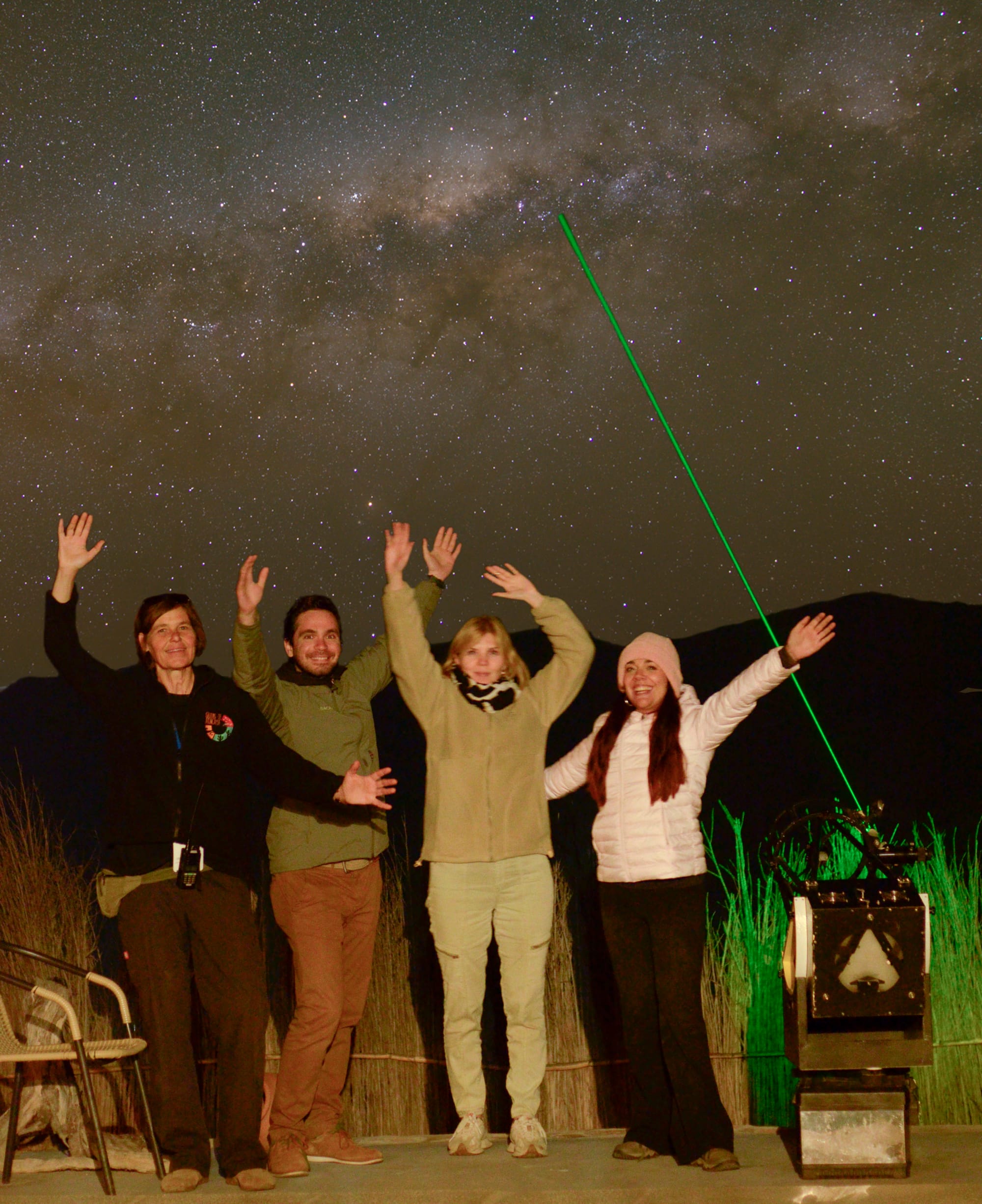
Gazing at the sky just outside of Vallenar. © Yulia Denisyuk
The people of Alto del Carmen are warm and generous. They might welcome you into their homes without knowing you, offering you a bed or a hot bowl of soup if you’re cold.
They enjoy having visitors, though they are protective of their homes and their local infrastructure – they guard it jealously.
Today, I’m back at it again, doing what I do best: catering and running accommodations.
I’m trying to build something that will allow me to feel more at ease and financially stable.
After all, I still have to support my youngest child, who just left for university this year, so I have to keep going.
Alongside this work, I’m busy championing the Huasco Province.
I’m supporting an Indigenous tourism cooperative that is currently being established at the national level, an initiative I’m very keen to be a part of.
This is because I, too, have Diaguita ancestors and Diaguita blood, and I would love for my home – the Alto del Carmen Valley – to be recognized precisely for its Indigenous heritage.
We are under a grave threat.
Deep down, I have no greater desire than this:
To live long enough to see the Huasco Valley recognized as a tourism destination that has a seat at the table. I want tourism viewed as a key economic driver, not just some random idea we came up with on a whim.
Tourism doesn't belong to just one person, and you can’t do it alone.
While there is a personal struggle involved, this effort has nothing to do with money.
Rather, it stems from love and deep-rooted attachment I feel for my region – and above all, my province. I hope it can endure and thrive, both economically and environmentally.
For we are under a grave threat that endangers our future generations. As long as I can fight for this cause, I will.
➡️ In the Huasco Valley, you can stay at Sandra's cabins or taste her cooking at Las Esencias del Campo.
Going Places is a platform where Indigenous voices and wisdom across the world are centered and celebrated. Here, we have the space and the time to go as deep as we need to cover topics that help us all move through the world with more empathy, solidarity, and awareness.
That's why, throughout this series, you'll hear various voices and perspectives that reflect the Indigenous experience in Chile today.
Like our work?
1. Spread the word about our Chile series by using that Share button below. We are not on Substack by choice (more on this later), but it also means that it's harder for our stories to reach a wider audience. Your support is crucial!
2. Become our paid member to help us create more coverage like this
100% human-made | Become a member to support our work here

RISE Travel Institute is our Founding Member
RISE is a nonprofit with a mission to create a more just and equitable world through travel education.
➡️ This November, RISE is running the Experiential Journey to the Indian Himalayas. Their RISE Traveler Pathway is a new self-paced program for travelers, digital nomads, content creators, and tourism practitioners centered on justice and systems thinking. Use code GoingPlacesCommunity for 10% off!
Interested in your organization becoming a Founding Member? Get in touch here.
Radostina Boseva is our Founding Member
Radostina Boseva is a film wedding photographer with an editorial flair based between SF and Europe.
To get a shout-out like this in every issue, join us as an individual Founding Member here.
We pay $1,008 a year to host Going Places online. Help us offset this cost with a one-time tip 🙏


Member discussion