


We start this Deep Dive series in Chile 🇨🇱
Follow along the 8-part series here.
Last week, we introduced a central tension unfolding in the Atacama Desert: mining is the main source of income here, but it also impacts the desert's fragile ecosystems.
(Catch up on Part 2 here.)
Many people I've spoken to in the desert see building community-driven tourism projects as a viable path to reducing the region's reliance on mining.
Over the next few issues, you'll hear directly from the people involved in this work.
Today, meet Paula Carvajal Bórquez, aka Paly.
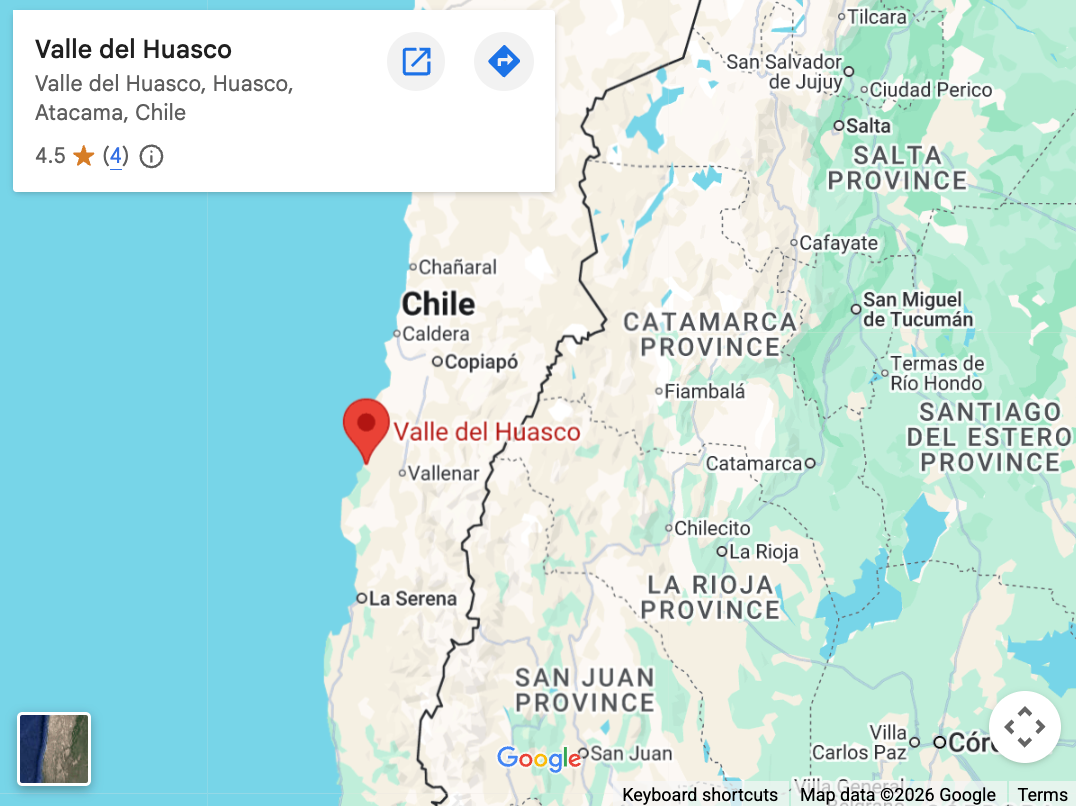
Paly is an Indigenous Diaguita cultural bearer in southern Atacama's📍Huasco Valley.
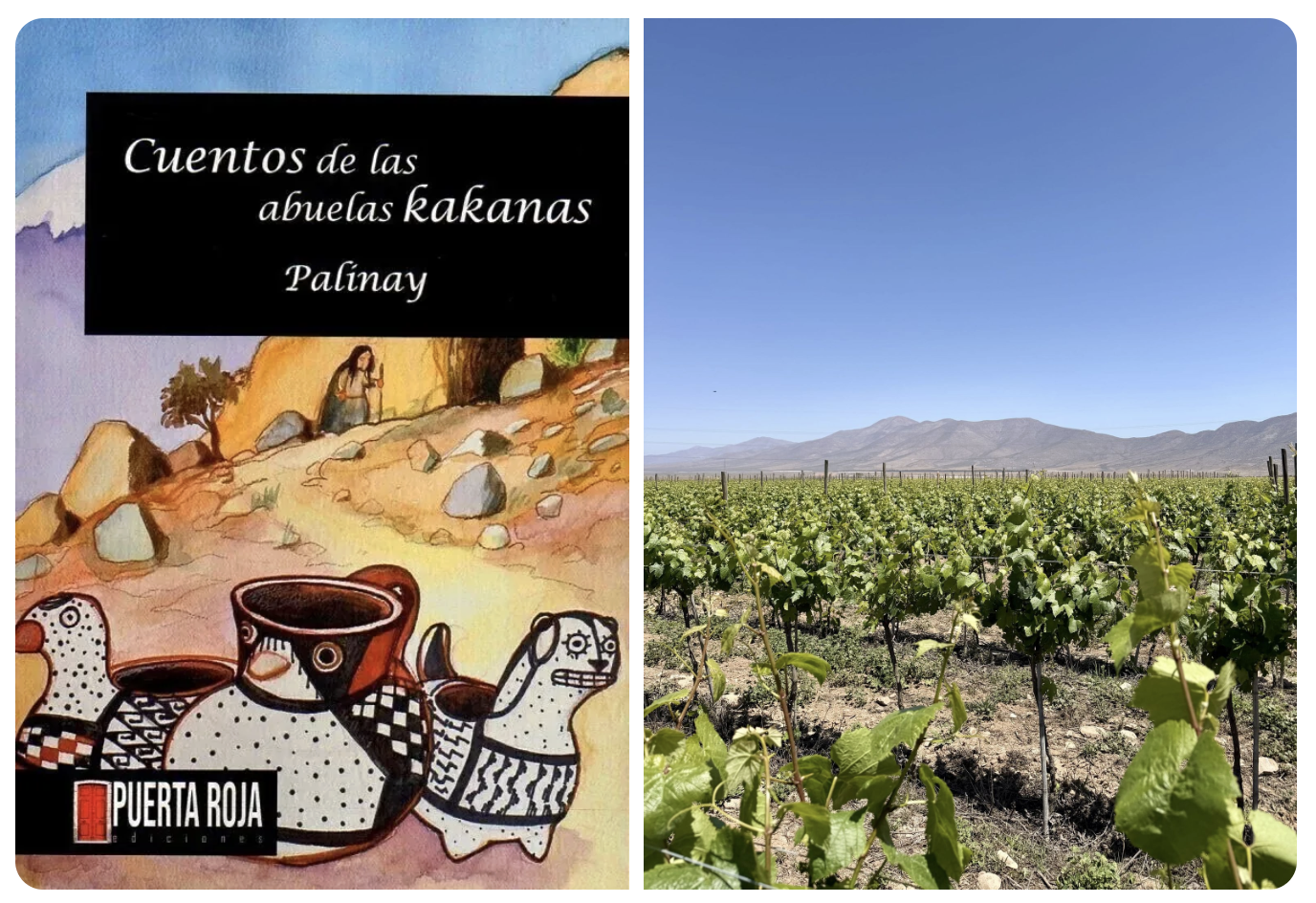
Fed by the Huasco River coming from the Andean glaciers, Huasco Valley is a lush oasis, the last green frontier before the arid desert takes over.
Its microclimate and fertile soil allow for the cultivation of grapes for pisco and pajarete, a sweet desert wine. In the valley, olive trees tower in the groves. Mangoes, chilies, avocados, and endemic fruits abound.
The Diaguita people have lived in this region for thousands of years, persisting through Spanish colonization and a 20th-century dictatorship. Their Indigenous status was recognized by the Chilean government in 2006.
Today, the valley is facing a new kind of threat: multinational mining companies.
In 2013, the Diaguita members of the Huasco Alto community successfully petitioned to shut down a mine in their backyard by a Canadian gold-mining company, Barrick. However, just last year, Barrick began exploration in the area again.
Paly belongs to the Diaguita Molle Kay Kko community of San Felix in the upper valley.
She is an artisan, entrepreneur, and a storyteller with many cultural heritage projects under her belt, including a book about Diaguita oral traditions and making medicinal dolls, a Diaguita craft safeguarded by seven generations of women in her family.
Here, then, is Paly talking about the valley and her community tourism project, Casa Taller Palinay.
Catherine runs riverside cottages with a bio-pool and views of the valley. She started this project because, as she says, "We wanted to show people that tourism can be an alternative to getting involved with mining."
You can book with Catherine directly on Instagram at @AylluDelGuasco.
(This interview has been lightly edited for clarity.)
Our workshops share traditional knowledge that exists in this territory, and that we are trying to preserve.
In one of our workshops, for example, we highlight the ancestral technique of building with a mixture of mud, dry grass, and penca de tuna, a plant similar to prickly pear cactus.
This isn't something we do on a large scale. It’s not a business; rather, it's a community-level operation.
We as communities have decided that we are going to walk slowly.
We don't want to develop massive tourism with hotel chains and spas in the valley. This is something we have talked about in our meetings.
Rather than competing with San Pedro de Atacama, we want to be an alternative to it.
Our stories are different. We are the last green frontier in the north because we have a river that is alive.
We want to find people who appreciate the beauty of our nature and the lifestyle of those who live here.
My connection with the land comes from my upbringing, with the way we live here, in a territory that's sacred.
Over time, I have understood that this type of tourism can not only benefit us economically, but also help protect our place.
I don't like to call people tourists. They are guests, here to stay with us, to live in the same way as us.
We have a river that is alive.
In our workshops, we teach people how to heal through plants, taking our guests to the mountain to collect the herbs for our dolls.
Dolls themselves are medicine; they are an amulet for health. Making them is an old tradition that has been in my family for seven generations.
When you feel sad, angry, or tired, you can hold the dolls, hug them, and smell the herbs they are filled with. That can help you get out of that state of sadness.
Special thanks to our 60+ paid members who make Going Places possible.
I also work in gastronomic patrimony, making dishes like chicharos that our Andean muleteers used in the past to prepare fast, nutritious meals in the mountains.
This dish has survived to this day, and so we make it with local, ancestral ingredients.
The goal is not only to try the dish, but to understand the history of what you're eating while preserving the stories and the oral tradition behind it.
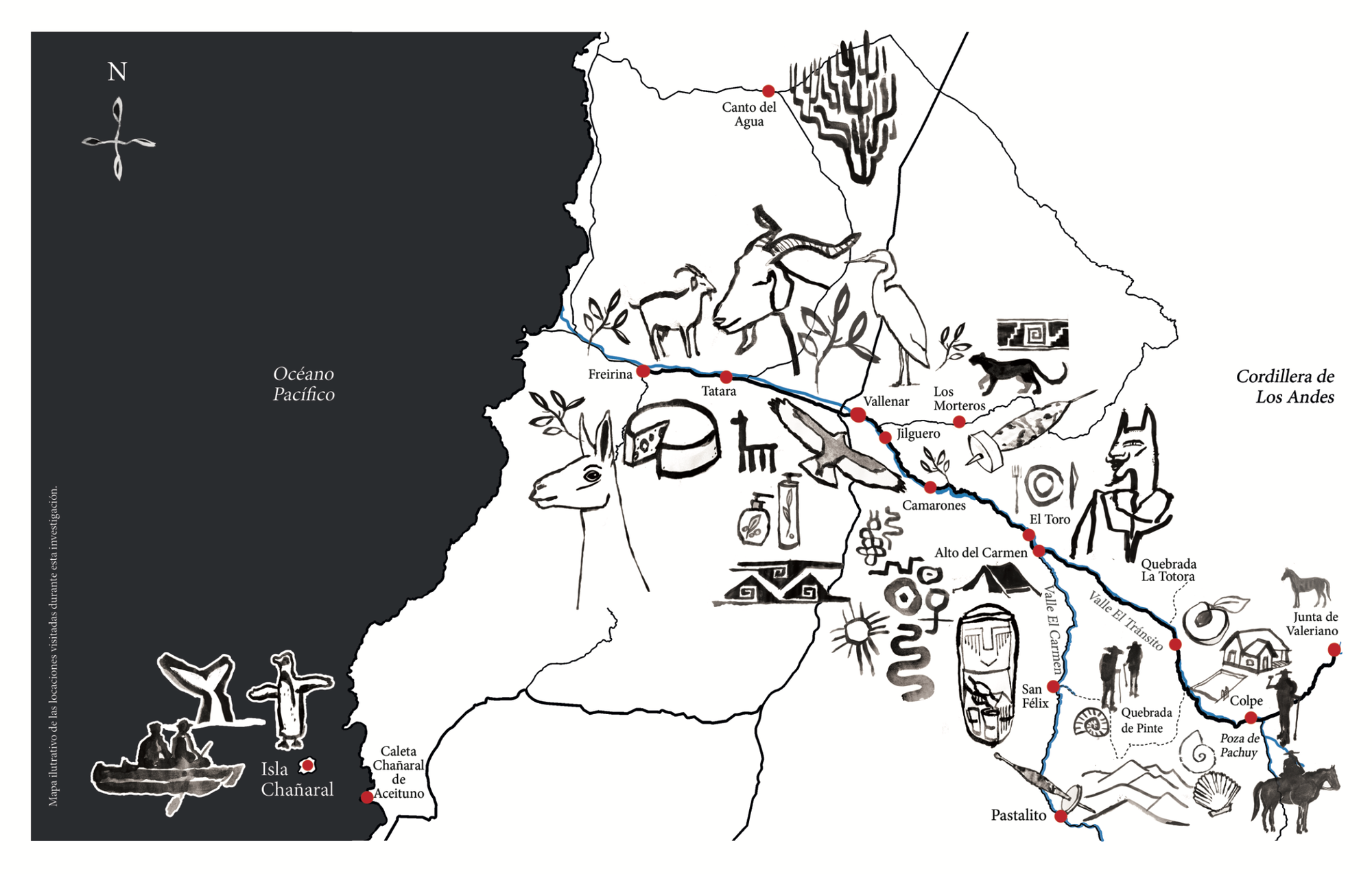
In our territory, we live mostly from agriculture and crafts. Traditionally, we've had a wide range of economic activities, but mining here has always been artisanal, done on a small scale. Now tourism is starting to be an alternative, too.
What we do has to be in harmony with the land.
We are fighting against this [mega mining] because we want to keep our land as beautiful as possible. We don't want to lose our river.
For more than 26 years, we have been defending the land as best we can, learning about how companies destroy, why they contaminate, and what the consequences are. Studying this has allowed us to better protect this land.
Our land is fragile. These companies want to take the gold under the glaciers, but the glaciers are our life: they feed the river, and wherever the river goes, life goes.
This water gives life to the entire territory. And we hope that this will continue happening for many more centuries.
➡️ Contact Alaya if you’re interested in attending one of Paly’s workshops.
I continue to struggle with this process. It's one of the reasons why I started Going Places.
People across the globe often share their expertise, care, passion, and curiosity with me, spending their time and effort so that the story gets published.
But by the nature of their format, most editorial articles rarely have space for these deep conversations, reducing them to a quote.
There is a power imbalance inherent in this process. I'm still figuring out how to address it in the media landscape of increasingly scarce word counts, attention spans, and depth.
With this Deep Dive series, we aim to address some of that imbalance.
Going Places is a platform where Indigenous voices and wisdom across the world are centered and celebrated. Here, we have the space and the time to go as deep as we need to cover topics that help us all move through the world with more empathy, solidarity, and awareness.
That's why, throughout this series, you'll hear various voices and perspectives that reflect the Indigenous experience in Chile today.
Like our work?
1. Spread the word about our Chile series by using that Share button below. We are not on Substack by choice (more on this later), but it also means that it's harder for our stories to reach a wider audience. Your support is crucial!
2. Become our paid member to help us create more coverage like this
100% human-made | Become a member to support our work here
RISE Travel Institute is our Founding Member
RISE is a nonprofit with a mission to create a more just and equitable world through travel education.
➡️ This November, RISE is running the Experiential Journey to the Indian Himalayas. Their RISE Traveler Pathway is a new self-paced program for travelers, digital nomads, content creators, and tourism practitioners centered on justice and systems thinking. Use code GoingPlacesCommunity for 10% off!
Interested in your organization becoming a Founding Member? Get in touch here.

Radostina Boseva is our Founding Member
Radostina Boseva is a film wedding photographer with an editorial flair based between SF and Europe.
To get a shout-out like this in every issue, join us as an individual Founding Member here.
We pay $1,008 a year to host Going Places online. Help us offset this cost with a one-time tip 🙏


Member discussion